Walking the Talk
“You’re it!”
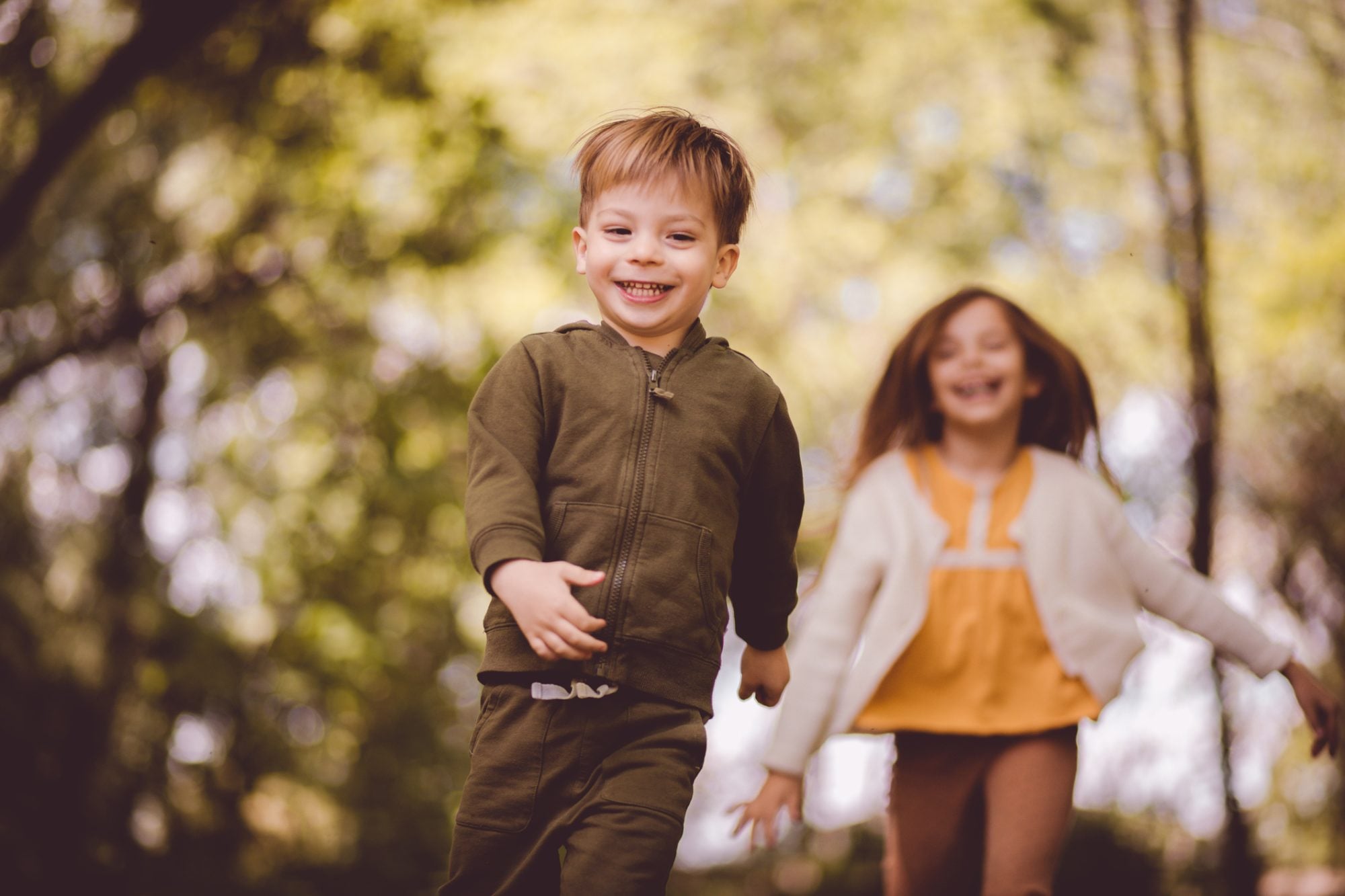
He runs,
she lunges,
he dodges,
she chases,
he ducks,
she sprints,
he swivels,
she touches.
During a game of tag, children practice agility, the ability to move and change the direction and position of the body quickly and with ease.
Agility is not just a physical skill. In modern management, it also describes the ability to learn quickly, adapt, and respond to changing circumstances.
In a way, Learn Through Active Play embraces both meanings. We help children develop physical agility while continually adapting our own approach to meet the needs of the early childhood education and care sector. We practise what we preach.
Early childhood education and care spans a wide range of settings and communities across Canada. To make active play accessible and meaningful across the sector, LTAP continually adapts its approach to educators’ realities.
Melissa Castonguay, an LTAP professional learning facilitator, has collaborated on the development of a customized version of the workshop for family home childcare providers in Nova Scotia. Their circumstances call for a tailored approach. Because their workplace is also their home, space can be limited. And because they often work alone, small, sustainable changes can make a real difference.
“During my home visits, I model for them how small the adjustments can actually be to enhance a child’s physical literacy”, she emphasises. LTAP is adapting its workshop videos and activity examples to reflect the realities of family home childcare.
“I feel that the program really meets them where they’re at”, she concludes.
Adapting LTAP isn’t only about the practicalities of a setting. It’s also about recognising the knowledge, traditions, and experiences that children bring with them. For Joleen Bateman, executive director of the Alberta Aboriginal Head Start Association, culture can offer a natural entry point into active play.
“In the Indigenous cultures, it would be dance,” she explains. In many Indigenous traditions, it is an integral part of how people relate to one another, to their ancestors, and to the land. Dance can be a way of praying, celebrating, remembering, teaching, connecting, and expressing gratitude.
“Every program is going to design and facilitate the activities of their choice or what’s more prominent in their communities. We have twenty-one programs in Alberta, and they all represent their families and their communities in their own unique ways. They celebrate dance and culture that is relevant to them. So a Métis settlement would probably lean towards more of the Métis jigging, but we also have families and children who are on the powwow circuit.”
“If nothing else, LTAP is a gentle reminder on the importance of physical literacy in the early years”, she says. “And we don’t have to complicate it.”
Canada’s early childhood education and care sector is far from uniform. Educators work in different settings, serve diverse communities, and draw on different cultural traditions. Yet many of their priorities overlap: fostering physical literacy, building relationships, supporting emotional regulation, encouraging exploration, and creating inclusive environments.
Walking the talk means recognising both what unites and what makes each setting unique. For LTAP, the goal isn’t to offer a one-size-fits-all solution, but to help educators find meaningful, practical ways to weave active play into their daily practice.
Recent articles
To Wear Orange
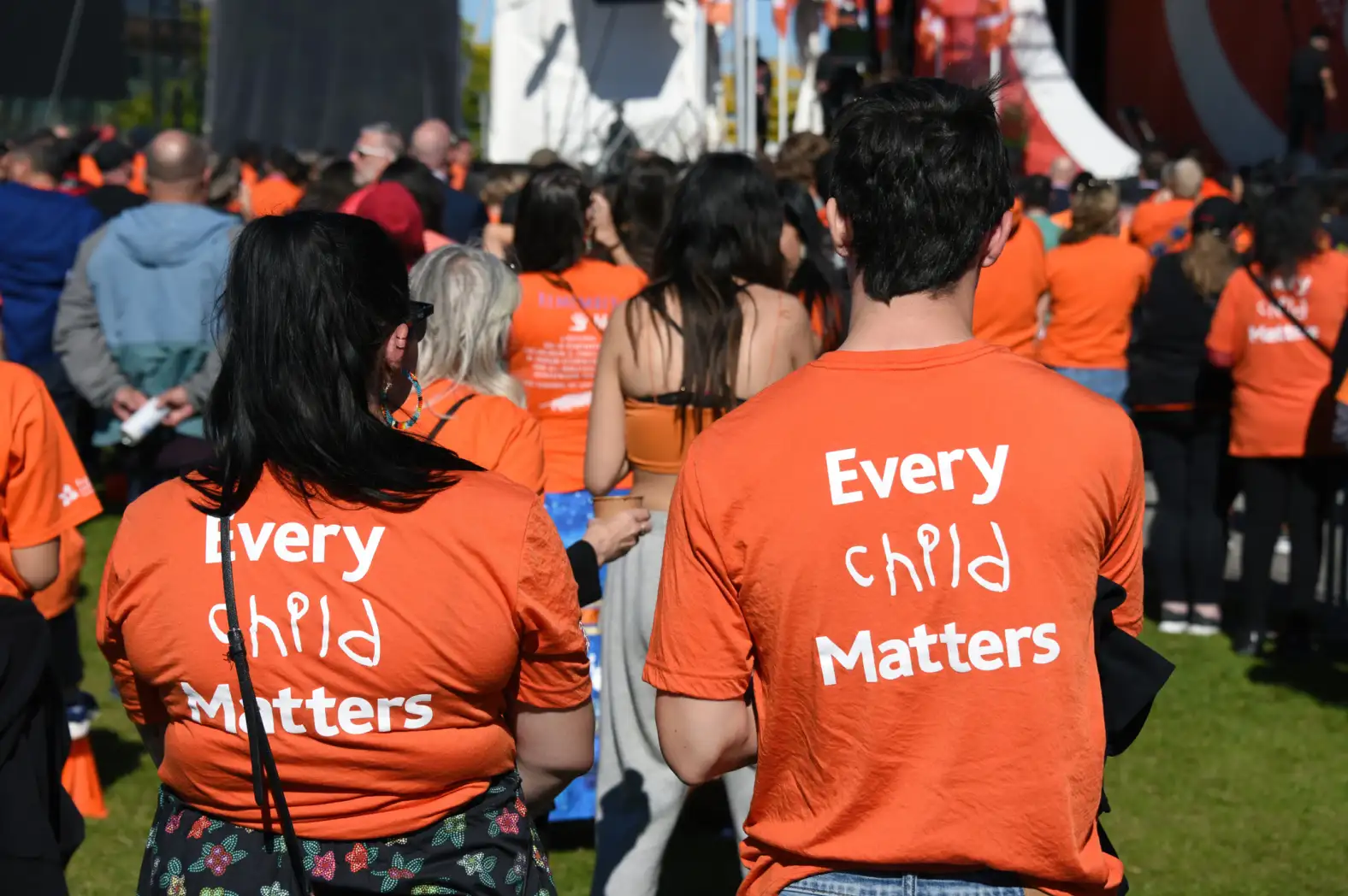
“For me, wearing an orange shirt is a symbol of recognizing Phyllis Webstad’s right to have worn her new orange shirt on her first day…
First Move
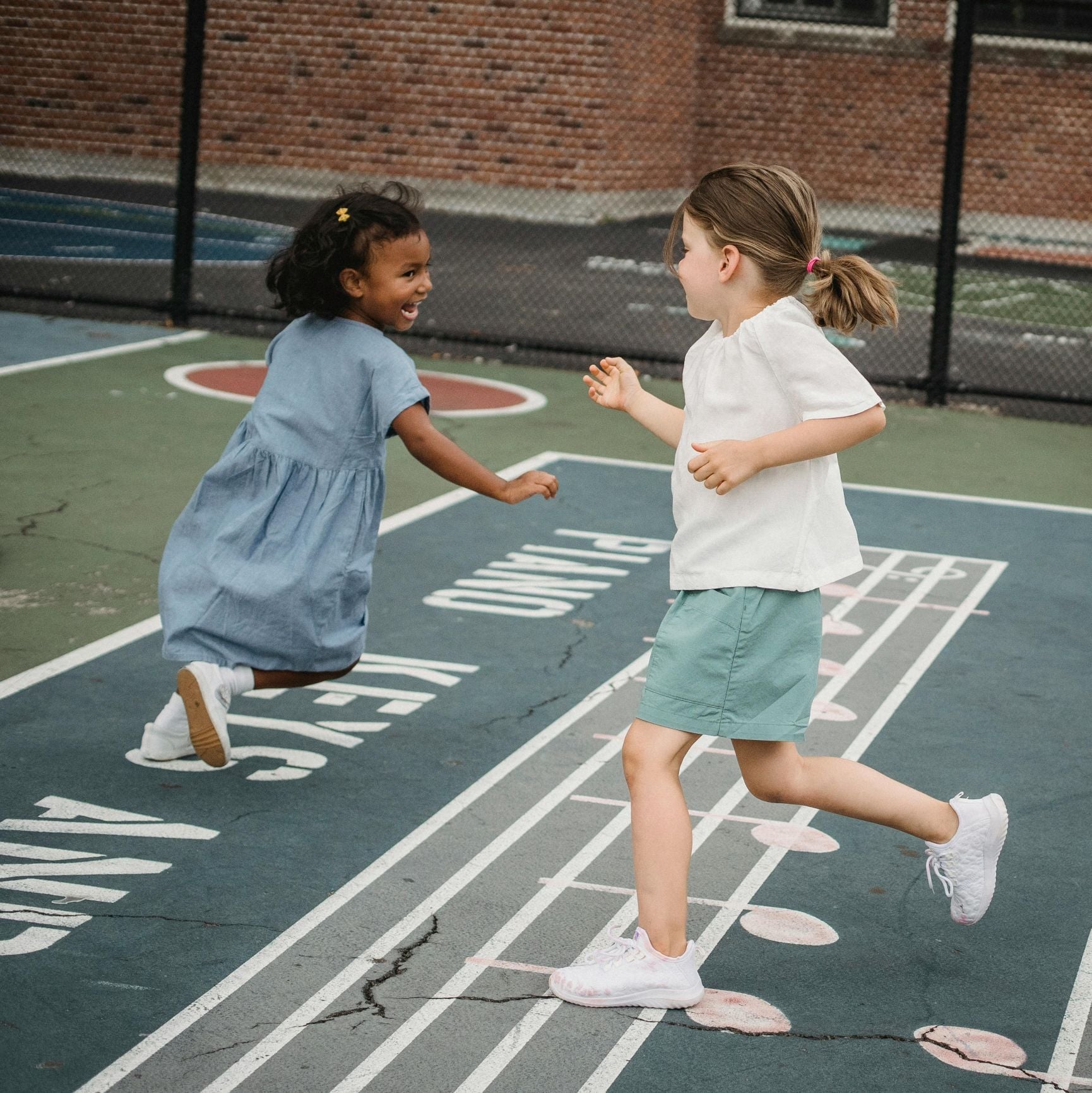
“Active play is in our DNA.” What Richard Monette means, of course, is not quite that literal. The metaphor isn’t far off the mark either.…